
 한국어

Developing fine motor skills in children is crucial for their overall development and independence. These skills play a significant role in various tasks such as eating, writing, speaking, creating, and dressing themselves. They are also essential for accessing different learning activities and social experiences. Fine motor skills are continuously utilized in our daily lives, from picking things up to manipulating objects. The benefits of developing these skills are numerous, including independence, hand-eye coordination, improved eating skills, boosted self-esteem, enhanced speech and language development, brain development, and exploration of creativity. They also contribute to construction abilities, turning pages of a book, social engagement, drawing skills, and using technology. Encouraging the development of fine motor skills through engaging activities and exercises promotes children’s overall growth and should be a key focus in their upbringing.
Why Developing Fine Motor Skills is Important
Overall development and independence
Developing fine motor skills in children is important for their overall development and independence. Fine motor skills refer to the small muscles in the hands and fingers and their ability to perform precise movements. These skills are essential for tasks such as eating, writing, speaking, creating, and dressing oneself. When children have well-developed fine motor skills, they become more independent in their daily activities and gain a sense of accomplishment.
Tasks that require fine motor skills
Fine motor skills are involved in a wide range of tasks that children encounter on a daily basis. From holding a pencil and tying shoelaces to buttoning a shirt and using utensils, these skills play a significant role in ensuring successful completion of various tasks. Fine motor skills are also crucial in activities such as painting, playing a musical instrument, using scissors, and constructing models. Without well-developed fine motor skills, children may find it challenging to perform these tasks effectively.
Accessing learning activities and social experiences
Fine motor skills are essential for accessing various learning activities and social experiences. In the classroom, children need well-developed fine motor skills to hold a pencil and write, manipulate objects during science experiments, and engage in hands-on learning activities. Outside of the classroom, these skills enable children to participate in art projects, play musical instruments, engage in sports, and interact with their peers. By developing their fine motor skills, children can fully engage in a wide range of educational and social experiences.
Continuous use in daily lives
Fine motor skills are continuously used in our daily lives. From picking up objects to manipulating small items, these skills are necessary for various tasks at home, school, and in the community. When children have well-developed fine motor skills, they can perform daily activities more effectively and efficiently. Whether it’s pouring a glass of water, tying shoelaces, or completing a puzzle, fine motor skills are integral to our daily routines.
Benefits of fine motor skills
There are numerous benefits associated with the development of fine motor skills in children. Firstly, fine motor skills promote independence as children gain the ability to complete tasks on their own. This includes dressing themselves, feeding themselves, and performing personal hygiene tasks. Secondly, fine motor skills enhance hand-eye coordination, which is crucial for activities such as catching a ball, threading a needle, or playing an instrument. Thirdly, the development of fine motor skills improves eating skills, as children learn to grasp utensils, feed themselves, and refine their chewing and swallowing abilities. Additionally, developing fine motor skills can boost a child’s self-esteem and confidence as they accomplish increasingly complex tasks. The ability to mark-make and engage in handwriting and drawing activities is another benefit of fine motor skills. Fine motor skills also support speech and language development, as the muscles needed for articulation and pronunciation are strengthened. Brain development is also stimulated through the use of fine motor skills, as the precise movements required activate and strengthen neural pathways. Furthermore, developing fine motor skills allows children to explore their creativity through art and craft projects. Construction abilities are also enhanced through fine motor skills, as children learn to manipulate and assemble various materials and objects. The ability to turn pages of a book and engage with written material is another benefit of well-developed fine motor skills. Social engagement is also promoted through fine motor skills, as children can actively participate in group activities, games, and conversations. Fine motor skills are also integral to the development of drawing skills, enabling children to express their imagination and create detailed artwork. In today’s technology-driven world, fine motor skills are also necessary for using devices such as tablets, smartphones, and keyboards. The versatility in play is another benefit, as children with developed fine motor skills can engage in a wider range of play activities. Lastly, fine motor skills contribute to the development of tidy up skills, organization, and the ability to use a wider range of equipment and tools. Additionally, fine motor skills also play a role in the development of taste and facial expressions.
Considering the wide array of benefits associated with fine motor skills, it is crucial to encourage and support their development in children.
Activities for Developing Fine Motor Skills
Manipulating small objects
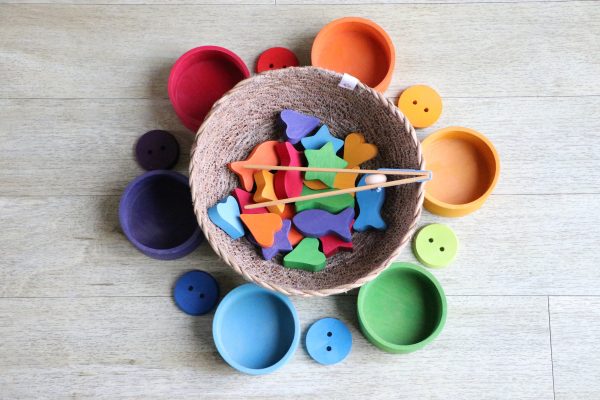
One of the most effective ways of developing fine motor skills is by engaging children in activities that involve manipulating small objects. This could include tasks such as sorting and categorizing small items like buttons or beads. Children can practice picking up these objects using their fingers and moving them into different containers or arranging them based on specific criteria. This activity helps strengthen the muscles in their hands and fingers, improving their fine motor skills.
Threading and lacing activities
Threading and lacing activities are excellent for developing fine motor skills, especially hand-eye coordination. These activities involve using a string or shoelace to thread through holes or beads, requiring children to use precise finger movements and hand-eye coordination to complete the task. Threading and lacing also promote concentration and patience, as children need to carefully align the string and maneuver it through the designated openings.
Puzzles and shape sorting
Puzzles and shape sorting activities are great for developing fine motor skills, problem-solving abilities, and spatial awareness. Children need to use their fingers to manipulate puzzle pieces or shape sorting objects to match them with the corresponding slots or spaces. This activity helps strengthen hand muscles and promotes finger dexterity while challenging children to think critically and use trial-and-error strategies.
Art and craft activities
Art and craft activities are not only a great way to foster creativity but also an opportunity to develop fine motor skills. Painting, coloring, cutting, and pasting require children to use their hands and fingers in precise movements. They need to hold and control paintbrushes, crayons, scissors, and glue sticks, which helps enhance their fine motor skills. These activities also allow children to explore different textures, colors, and materials, adding an extra sensory dimension to their fine motor development.
Playdough and clay play
Playing with playdough and clay is a versatile activity that offers numerous benefits for developing fine motor skills. Children can roll, pinch, squeeze, and mold the playdough or clay, using different hand movements to create various shapes and objects. This activity promotes finger strength, flexibility, and coordination, while also encouraging imaginative play and creativity. Children can use playdough and clay to make foods, animals, buildings, and countless other creations, further enhancing their fine motor skills.
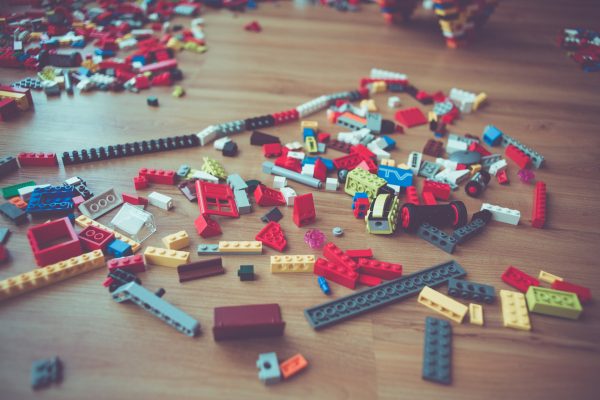
Building blocks and construction toys
Building blocks and construction toys are excellent tools for developing fine motor skills and spatial reasoning. Children can practice using their fingers to carefully stack the blocks, aligning them in different formations and structures. This activity not only strengthens fine motor skills but also enhances hand-eye coordination, problem-solving abilities, and creativity. Children can build towers, bridges, houses, and various other creations, refining their fine motor skills with each construction.
Cutting and tearing paper
Engaging in activities that involve cutting and tearing paper is an effective way to develop fine motor skills. Children can use child-safe scissors to practice cutting along lines or complex shapes. This activity helps refine their hand-eye coordination, bilateral coordination (using both hands together), and manipulation skills. Similarly, tearing paper into smaller pieces or specific shapes also strengthens finger muscles and improves fine motor skills.
Using scissors
Using scissors for various cutting activities is essential for developing fine motor skills in children. From cutting out shapes and pictures to trimming paper or creating art, the manipulation of scissors requires finger control and coordination. Using scissors strengthens hand muscles and helps children refine their cutting skills, an important aspect of fine motor development.
Using tweezers or tongs
Activities that involve using tweezers or tongs can greatly enhance fine motor skills. Children can use these tools to pick up small objects like beads, pompoms, or cotton balls and transfer them to different locations. This requires precise finger movements and coordination, improving their grasp and release skills. Playing games or engaging in sorting activities with tweezers or tongs can be both educational and entertaining, making fine motor development enjoyable for children.
Cooking and baking
Engaging children in cooking and baking activities provides hands-on opportunities to develop fine motor skills. Measuring ingredients, mixing batter, kneading dough, and stirring require the use of the hands and fingers in a precise manner. Children have the opportunity to practice pouring, scooping, rolling, and whisking, strengthening their fine motor skills while learning important life skills in the kitchen. These activities can be adapted based on the child’s age and abilities, allowing them to gradually develop and refine their fine motor skills.
Fine Motor Activities for Different Age Groups
Fine motor activities can be tailored to suit different age groups and their developmental needs. Here are some ideas for fine motor activities suitable for toddlers, preschoolers, and school-aged children:
Fine motor activities for toddlers (1-3 years old)
- Finger painting with non-toxic, washable paint
- Playing with stacking toys or blocks
- Using chunky crayons or washable markers to make marks on paper
- Dropping objects into containers
- Simple threading activities with large beads or pasta shapes
- Sensory play with playdough or sensory bins filled with rice or sand
- Using a spray bottle to water plants or spray on paper
- Turning pages of board books with thick pages
- Building with large foam blocks or soft bricks
- Poking holes in playdough using toothpicks or straws
Fine motor activities for preschoolers (3-5 years old)
- Completing simple puzzles with knobs or pegs for easier manipulation
- Tearing paper into smaller pieces for collages or crafts
- Pouring sand or water with different containers
- Cutting with child-safe scissors along straight or wavy lines
- Engaging in playdough or clay play with tools like rolling pins and plastic knives
- Stringing beads to make necklaces or bracelets
- Using eyedroppers to drop colored water onto paper towels
- Tracing shapes or patterns with their fingers or markers
- Poking pipe cleaners or straws into colanders or foam blocks
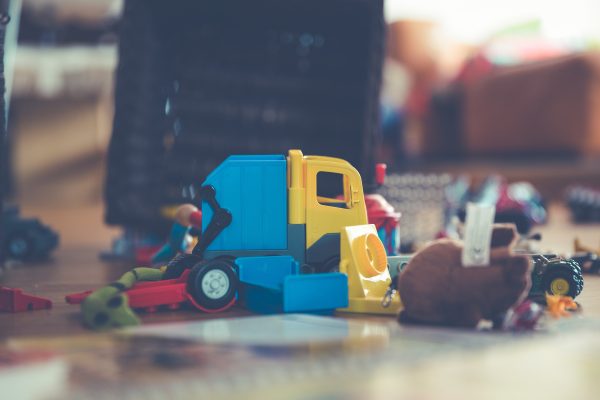
- Playing with construction toys like Lego or Duplo
Fine motor activities for school-aged children (6-12 years old)
- Creating intricate paper crafts like origami or paper airplanes
- Sewing simple stitches on burlap or felt using a plastic needle
- Writing and illustrating stories or journals
- Playing with building sets that require finer manipulation and precision
- Using tweezers or tongs to pick up small objects or beads for jewelry making
- Engaging in more complex clay or playdough modeling, creating detailed sculptures or figures
- Cutting out complex shapes or designs using scissors
- Playing board games or card games that require handling small pieces or cards
- Typing or keyboarding exercises to improve finger dexterity
- Engaging in arts and crafts projects involving various materials and techniques, such as weaving or collage-making
Incorporating Fine Motor Skills into Play Ideas
Using shape activities
Shape activities can be a fun and engaging way to incorporate fine motor skills development into play. Children can engage in activities such as sorting shapes into matching containers, tracing shapes with their fingers or pens, or using shape templates to draw or color within the lines. These activities not only enhance fine motor skills but also promote cognitive development and shape recognition.
Outdoor play for fine motor development
Outdoor play provides ample opportunities for children to develop their fine motor skills. Activities such as playing in sandboxes, digging in dirt, using shovels or rakes, or engaging in water play with cups and containers promote hand and finger strength, coordination, and manipulation. Climbing on playground equipment, swinging on monkey bars, and riding bikes also contribute to the development of fine motor skills.
Sensory play for fine motor skills
Sensory play is an effective way to engage the senses while promoting fine motor skills development. Children can explore various textures and materials through activities such as finger painting, playing with sand or rice bins, or feeling different textured objects. By engaging their senses, children refine their ability to grasp, manipulate, and manipulate objects, enhancing their fine motor skills.
Imaginative play and fine motor skills
Imaginative play allows children to use their imagination and creativity while also developing their fine motor skills. Playing with dolls, action figures, or puppets requires children to manipulate the small parts and props, improving their dexterity and coordination. Pretend cooking or tea parties provide opportunities for pouring, scooping, and using utensils, further enhancing fine motor skills.
Music and movement activities
Music and movement activities can serve as a fun and interactive way to develop fine motor skills. Dancing, clapping, playing musical instruments, and conducting rhythmic patterns all require precise hand and finger movements. Activities such as fingerplays, hand games, and playing simple tunes on instruments like xylophones or recorders promote finger dexterity, coordination, and rhythmic abilities.
Board games and fine motor skills
Engaging in board games is a wonderful way to develop fine motor skills while also promoting cognitive and social development. Many board games require fine motor skills for picking up cards, moving game pieces, rolling dice, or spinning spinners. These activities build hand and finger strength, coordination, and manipulation, while also enhancing strategic thinking, problem-solving, and turn-taking skills.
Technology and fine motor development
Technology can also be used to promote the development of fine motor skills in children. Various digital apps and games are designed to engage children in activities that promote finger control, hand-eye coordination, and manipulation skills. These can include tracing letters or shapes on touchscreens, dragging and dropping objects, or using virtual instruments or tools. It is important to ensure that screen time is balanced with other hands-on activities and that children are guided in age-appropriate and educational technology usage.
Physical Literacy and Fine Motor Skills
Linking fine motor skills to physical literacy
Physical literacy encompasses the development of fundamental movement skills, including both gross motor and fine motor skills. Fine motor skills play a crucial role in physical literacy as they contribute to the overall coordination and control of movements. By developing their fine motor skills, children enhance their ability to perform precise and controlled movements, complementing their gross motor skills and fostering a well-rounded physical literacy.
Importance of physical literacy for overall development
Physical literacy is essential for overall development as it promotes physical, emotional, social, and cognitive well-being. By acquiring and mastering fundamental movement skills, children develop the foundation for a variety of physical activities and sports. Physical literacy enhances self-confidence, self-esteem, and body awareness, while also fostering social interactions, teamwork, and cooperation. Additionally, physical literacy promotes a healthy lifestyle, as children who are physically literate are more likely to engage in regular physical activity throughout their lives.
Combining gross motor and fine motor activities
Integrating both gross motor and fine motor activities is beneficial in promoting holistic physical literacy. Many activities naturally involve both aspects, such as playing sports or engaging in outdoor play. Children can participate in activities that involve throwing and catching balls, jumping and hopping, and also engage in fine motor tasks such as tying shoelaces, manipulating equipment, or using their fingers to grip and control objects. By combining gross motor and fine motor activities, children develop coordination, balance, and control across a range of movements.
Benefits of physical literacy for fine motor skills
Physical literacy has numerous benefits for the development of fine motor skills. Engaging in gross motor activities helps improve overall strength and coordination, which in turn supports the development of fine motor skills. Strong gross motor skills provide a stable base for hand and finger movements, allowing for more controlled and precise actions. Additionally, physical literacy promotes body awareness and spatial reasoning, skills that contribute to fine motor coordination and manipulation. By encouraging children to participate in a variety of physical activities, parents and educators can positively impact the development of fine motor skills and overall physical literacy.
In conclusion, developing fine motor skills is important for children’s overall development and independence. These skills play a vital role in tasks such as eating, writing, creating, and dressing oneself. Fine motor skills are essential for accessing learning activities and social experiences and are continuously used in our daily lives. The benefits of fine motor skills are wide-ranging and include independence, hand-eye coordination, improved eating skills, self-esteem, speech and language development, brain development, and creativity. To support the development of fine motor skills, various activities can be incorporated into daily routines for different age groups. Additionally, fine motor skills can be integrated into play ideas, such as shape activities, outdoor play, sensory play, imaginative play, music, movement activities, board games, and technology usage. Physical literacy also plays a role in fine motor skill development, as it emphasizes the importance of developing both gross motor and fine motor skills for overall movement coordination and control. By encouraging and supporting the development of fine motor skills, children can enhance their independence, creativity, and overall physical literacy.
