
 한국어

Babies reach many significant milestones in their first year of life, and one of the most exciting ones is crawling for babies. Typically occurring between 7 and 12 months of age, crawling marks a crucial stage in a baby’s development. It requires the mastering of various skills, such as head and arm control, sitting without support, rolling over, and holding their weight on their arms and legs. As babies crawl, they gain newfound independence and are able to explore their surroundings, fostering curiosity and learning. There are different styles of crawling, all of which are normal, and parents can support their baby’s crawling journey by incorporating “tummy time” and playtime on the floor into their daily routine. Creating a safe environment by removing obstacles and dangerous items is crucial as well. If a baby reaches 12 months without crawling or if there are concerns about their development, seeking guidance from a doctor or child and family health nurse may be beneficial. In the exciting journey of a baby’s development, crawling is a significant step that opens up a world of exploration and growth.
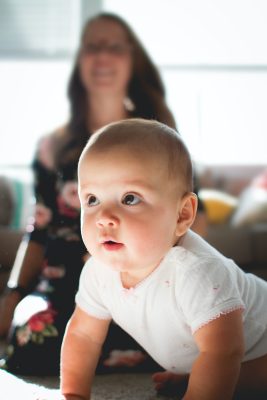
Skills Needed for Crawling
Crawling is a major milestone in a baby’s development, but before they can master this skill, they need to develop certain foundational skills. These include head and arm control, sitting up without support, rolling over, and holding their weight on their arms and legs. These skills are crucial for building the strength and coordination necessary for crawling. As babies continue to develop these abilities, they will gradually become more ready to explore their surroundings by crawling.
Head and Arm Control
Head and arm control are essential skills that babies need to master before they can successfully crawl. This involves being able to lift and hold their head up independently and having the strength to move their arms in a coordinated manner. Head control is developed through tummy time, where babies lie on their stomach and lift their head to look around. Arm control can be developed through activities like reaching for toys and practicing reaching and grasping movements.
Sitting Up without Support
Being able to sit up without support is another important skill that babies need to develop before they can crawl. This requires good balance and core strength. By practicing sitting up and engaging in activities that encourage balance, babies can strengthen their core muscles and improve their stability. Sitting up also helps babies develop the ability to shift their weight, which is crucial for crawling.
Rolling Over
Rolling over is not only a fun and exciting milestone for babies, but it also plays a significant role in preparing them for crawling. Rolling over requires coordination, strength, and flexibility. By practicing rolling over, babies improve their ability to shift their weight, rotate their bodies, and initiate movement. These skills are essential for the crawling motion.
Holding Weight on Arms and Legs
To crawl effectively, babies need to have the strength to support their weight on their arms and legs. This requires strong arm and leg muscles, as well as good coordination. By engaging in activities that encourage weight-bearing on their arms and legs, such as pushing up during tummy time or practicing standing with support, babies can build the necessary strength and coordination to crawl.
Styles of Crawling
Crawling comes in various styles, and each baby may have their unique way of getting around. Here are some of the different styles of crawling that are commonly observed in babies:
Hands and Knees Crawling
Hands and knees crawling is a classic crawling style, where babies move forward on their hands and knees. This style allows for efficient movement and gives babies a good level of control and stability. As babies gain confidence and strength, they may start to pick up their speed and explore their environment more independently.
‘Commando Crawl’
The ‘commando crawl’ is when babies move around by dragging their bodies along the floor using their arms. In this style, babies keep their bellies close to the ground and use their arms to propel themselves forward. While this style may appear different from the traditional hands and knees crawling, it is still a valid and normal way for babies to get around.
‘Bum Shuffling’
Some babies find their own unique way of getting around, known as ‘bum shuffling.’ During bum shuffling, babies sit on their bottoms and use a combination of shuffling motions and leg movements to propel themselves forward. This style of crawling may be seen as babies explore different ways to move and navigate their surroundings.
Crawling Backwards
In addition to moving forward, babies may also discover the art of crawling backward. Crawling backward can be a playful and exploratory way for babies to move and engage with their environment. It allows them to practice coordination and spatial awareness while also giving them a different perspective on their surroundings.
Exploration and Development
Crawling serves as a gateway for babies to explore their surroundings and expand their understanding of the world. Through crawling, babies can actively engage with their environment and develop crucial skills.
Crawling Allows Babies to Explore Their Surroundings
Once babies have mastered the art of crawling, they can independently venture into different areas of their surroundings. Crawling gives them the freedom to move, explore, and discover their environment at their own pace. Whether it’s reaching for a toy, investigating a new texture, or simply moving from one room to another, crawling opens up a world of exploration for babies.
Helps Develop Hand-Eye Coordination
Crawling requires a great deal of coordination between the hands, eyes, and body. As babies crawl and reach for objects, they refine their hand-eye coordination skills. Crawling helps them develop the ability to accurately judge distances, coordinate their movements, and accurately grasp and manipulate objects. These skills are important for later stages of development, such as feeding themselves or picking up small objects.
Improves Spatial Awareness
When babies crawl, they constantly interact with the space around them. By navigating different surfaces, obstacles, and objects, babies develop a keen sense of spatial awareness. They learn to judge distances, plan their movements, and adjust their bodies as they explore their environment. This heightened spatial awareness is not only crucial for their physical development but also lays the foundation for future cognitive skills.
Enhances Cognitive Development
Crawling not only strengthens the body but also has a positive impact on cognitive development. As babies crawl, they engage in problem-solving, decision-making, and spatial reasoning. They learn to navigate their environment, remember specific routes, and anticipate obstacles. These cognitive processes support their overall brain development and contribute to their growing curiosity and understanding of the world.
Importance of Tummy Time
Alongside crawling, tummy time is another crucial activity that helps babies build the necessary skills for movement and exploration. Tummy time refers to the practice of placing babies on their stomach while they are awake and supervised. Here are some key reasons why tummy time is important:
Incorporating Tummy Time into Daily Routine
Tummy time should be incorporated into a baby’s daily routine from an early age. Starting with just a few minutes at a time and gradually increasing it as the baby becomes more comfortable can help them build the necessary strength and skills. Tummy time can be done on a firm, flat surface, such as a play mat or blanket, and should always be supervised.
Strengthens Neck, Shoulder, and Arm Muscles
During tummy time, babies have the opportunity to strengthen their neck, shoulder, and arm muscles. Lifting their heads, reaching for toys, and pushing up with their arms helps develop and tone these essential muscles. Strong neck and upper body muscles are crucial for crawling, as they allow babies to hold their heads up, prop themselves up on their arms, and eventually move forward.
Promotes Motor Skills Development
Tummy time not only strengthens specific muscles but also promotes overall motor skills development. As babies push up on their arms and kick their legs, they refine their coordination and build the foundation for future movements, such as crawling, sitting, and walking. Tummy time also helps babies develop balance and stability, which are essential for their physical development.
Prepares Babies for Crawling
The skills developed during tummy time directly contribute to a baby’s ability to crawl. By engaging in tummy time regularly, babies gradually build the necessary strength, coordination, and confidence to begin exploring their environment through crawling. The muscle development and motor skills refined during tummy time serve as a solid foundation for the crawling journey.
Benefits of Playtime on the Floor
Playtime on the floor provides babies with a stimulating and enriching environment to grow and develop. Here are some key benefits of encouraging playtime on the floor:
Encourages Babies to Use Their Muscles
The floor provides a spacious and safe environment for babies to move freely and use their muscles. During playtime on the floor, babies engage in various movements, such as reaching, rolling, scooting, and eventually crawling. These movements help strengthen their muscles and improve their coordination and balance. Playtime on the floor also encourages babies to explore different positions and experiment with their bodies.
Promotes Balance and Coordination
The floor is a fantastic playground for babies to improve their balance and coordination. As babies sit, reach, roll, and eventually crawl, they develop a better sense of body awareness and refine their ability to coordinate their movements. The freedom to move on the floor allows babies to practice their balance in different positions and orientations, ultimately enhancing their overall physical development.
Enhances Sensory Development
Playtime on the floor stimulates a baby’s senses and promotes sensory development. The floor offers different textures, temperatures, and surfaces for babies to explore with their hands and feet. By touching different textures, feeling various pressures, and experiencing different sensations under their feet, babies develop their tactile and proprioceptive senses. This enhances their sensory processing abilities and helps them become more aware of their surroundings.
Facilitates Social Interaction and Bonding
Playtime on the floor is not only beneficial for physical and sensory development but also creates opportunities for social interaction and bonding. By being on the same level as their caregivers and peers, babies can engage in face-to-face interactions, make eye contact, and experience shared playtime. This strengthens the parent-child bond and fosters social and emotional development.
Creating a Safe Environment
Creating a safe environment is crucial to ensure that babies can crawl and explore their surroundings without unnecessary hazards. Here are some important considerations for creating a safe crawling environment:
Removing Obstacles and Dangerous Items
Before allowing babies to crawl, it’s important to thoroughly baby-proof the environment by removing any potential obstacles or dangerous items. This includes ensuring that floors are clear of small objects, choking hazards, or sharp edges. Electrical cords and outlets should be secured and out of reach, and any furniture or fixtures that may pose a risk should be properly anchored or cushioned.
Securing Furniture and Electrical Cords
Tall furniture, such as bookshelves or dressers, should be securely anchored to the wall to prevent tipping. Falling furniture can cause serious injuries to crawling babies. Additionally, electrical cords should be secured and kept out of reach to avoid potential entanglement or electrical hazards.
Using Baby Gates or Playpens
Baby gates can be used to restrict access to certain areas of the home, especially areas that are not yet baby-proofed or may pose risks to crawling babies. Playpens provide a safe contained space for babies to explore independently while still being closely supervised. These measures can help keep babies safe while they crawl and explore their surroundings.
Ensuring Proper Supervision
While creating a safe environment is important, it’s equally crucial to provide constant supervision when babies are crawling. Babies can move quickly and unexpectedly, so it’s essential for caregivers to keep a close eye on them at all times. By being present and attentive, caregivers can promptly address any potential hazards or accidents and ensure the safety of the baby.
Warning Signs and Concerns
While most babies start crawling between the ages of 7 and 12 months old, every baby develops at their own pace. However, there are some warning signs and concerns to be aware of:
Not Crawling by 12 Months
If a baby has not started crawling by 12 months old, it might be worth discussing with a healthcare professional. While some babies may be late bloomers, it’s important to rule out any underlying developmental issues or concerns. A doctor or child and family health nurse can assess the baby’s overall development and provide appropriate guidance and support.
Developmental Concerns
In addition to delayed crawling, other developmental concerns may also warrant attention. These concerns may include delayed motor skills, difficulty with coordination or balance, or any other issues that may impede a baby’s physical or cognitive development. Monitoring and discussing these concerns with a healthcare professional can help identify any potential challenges early on and provide appropriate interventions if necessary.
Consulting a Doctor or Child and Family Health Nurse
If there are any concerns about a baby’s development or if milestones such as crawling are significantly delayed, it’s always advisable to consult a healthcare professional. Doctors and child and family health nurses have the expertise and experience to assess a baby’s development comprehensively. They can provide guidance, support, and appropriate referrals if further evaluation or intervention is needed.
Crawling vs. Walking
While crawling is a significant developmental milestone, it’s important to understand the distinction between crawling and walking. Each stage brings its own unique benefits and contributes to a baby’s overall development.
Importance of Crawling as a Developmental Milestone
Crawling plays a crucial role in a baby’s physical and cognitive development. It helps babies build strength, coordination, and spatial awareness. Crawling also promotes hand-eye coordination, sensory development, and cognitive skills. It serves as a foundation for future physical activities and prepares babies for the next milestone, which is walking.
Preparation for Walking
Crawling serves as a stepping stone toward walking. By crawling, babies develop the necessary core strength, coordination, and balance required for walking. Crawling helps babies understand the concept of weight shifting, promotes muscle development, and enhances overall body awareness. These skills lay the foundation for the transition from crawling to walking.
Benefits of Each Stage
Both crawling and walking offer unique benefits and contribute to a baby’s development. Crawling allows babies to actively explore their environment, engage their senses, and refine their coordination. It offers a great opportunity for physical and cognitive development. On the other hand, walking opens up a whole new world of independence and mobility. It enhances a baby’s balance, coordination, and cognitive abilities as they navigate their surroundings on two feet.
Rolling and Teething
Rolling and teething are two significant developmental milestones that often coincide with the crawling stage. Understanding the role of rolling and the impact of teething can help caregivers support and manage these developments effectively.
Role of Rolling in Motor Skill Development
Rolling over is an important motor milestone that typically occurs before crawling. Rolling requires core strength and coordination. By rolling over, babies develop their ability to shift their weight, rotate their bodies, and initiate movement. The motor skills and body awareness developed during rolling contribute to the overall development of crawling and other physical milestones.
Teething and Its Impact on Crawling
Teething, the process of a baby’s teeth breaking through the gums, can sometimes coincide with the crawling stage. Teething can be a challenging and uncomfortable experience for babies, which may temporarily affect their motivation to crawl. Babies may be more focused on seeking relief from teething discomfort rather than actively engaging in physical exploration. Understanding and managing teething symptoms, such as providing teething toys or gentle gum massages, can help support babies during this stage.
Tips for Managing Discomfort during Teething
To help manage teething discomfort, caregivers can provide teething toys for babies to chew on. These toys provide a safe and soothing outlet for the discomfort and pressure babies feel on their gums. Gentle gum massages with clean fingers or a soft, damp washcloth can also help alleviate teething discomfort. It’s important to be patient and understanding during this stage and provide extra comfort and support to the baby as needed.
Age of Balance Bike
As babies progress from crawling to walking, they gradually develop their balance and coordination skills. Introducing a balance bike can be a great way to support their continued physical development.
Transition from Crawling to Walking
The transition from crawling to walking is an exciting time for babies. As they gain strength, balance, and coordination from crawling, they become more prepared for the next stage of their mobility journey. Babies will begin by pulling themselves up to standing, then cruising along furniture, and eventually taking their first independent steps. This transition is a gradual process that varies for each baby.
Introduction to Balance and Coordination
After babies have become comfortable with walking, introducing a balance bike can further enhance their balance and coordination. A balance bike is a bike without pedals that allows children to focus on using their feet to balance and propel themselves forward. Riding a balance bike helps strengthen leg muscles, improves balance and coordination, and enhances overall motor skills. It’s a fun and effective way for babies to continue developing their physical abilities.
When to Consider Introducing a Balance Bike
The age at which to introduce a balance bike will vary depending on the individual child’s readiness. Most children are ready for a balance bike between the ages of 18 months and 3 years. It’s important to consider a child’s physical abilities, coordination, and overall interest when determining if they are ready for a balance bike. Supervision and proper safety measures, such as a helmet and knee/elbow pads, should always be in place when using a balance bike.
In conclusion, crawling is a significant milestone in a baby’s development that opens up a world of exploration and learning. Before babies can crawl, they need to develop foundational skills such as head and arm control, sitting up without support, rolling over, and holding weight on their arms and legs. There are different styles of crawling, including hands and knees crawling, ‘commando crawl’, ‘bum shuffling’, and crawling backwards, all of which are normal and contribute to a baby’s overall development. Creating a safe environment, incorporating tummy time, and engaging in playtime on the floor are important factors in supporting a baby’s crawling journey. It’s important to remember that every baby develops at their own pace, and if there are any concerns or delays, seeking advice from a healthcare professional is always recommended. Rolling, teething, and the introduction of a balance bike are additional milestones and opportunities for babies to learn and grow. By understanding and nurturing these stages, caregivers can help babies thrive on their journey to independence and mobility.
