
 한국어
Camping in Australia with Kids
Exploring Australian Camping Culture
Australia is home to stunning natural landscapes, and for Australians, camping is not just a pastime—it’s a way of life.
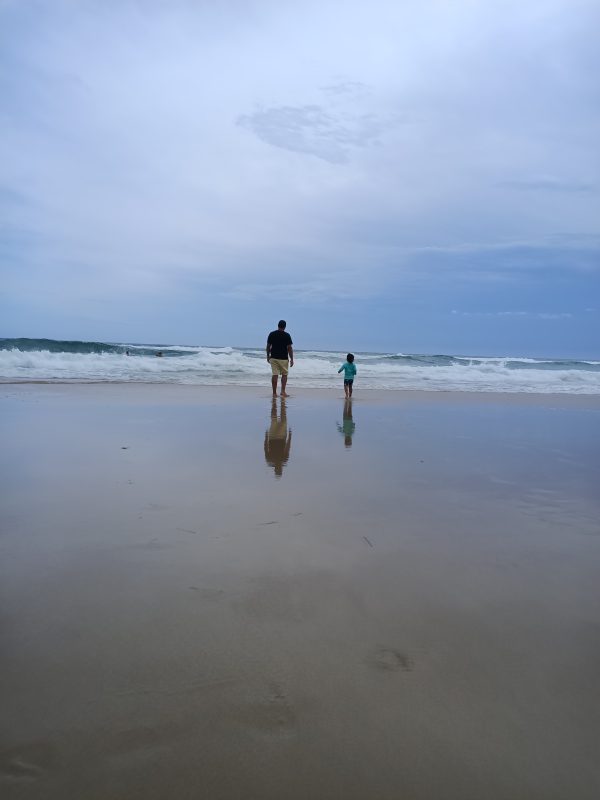
In Australia, you’ll find many caravan parks, often called holiday parks nowadays, and there are plenty of high-end campgrounds popping up as well. If you have kids, many of these campgrounds feature great amenities like water parks and playgrounds. While they offer a camping experience, they also provide excellent facilities, which can sometimes come at a higher price.
At most campgrounds in Australia, it’s important to keep the noise down after 10 PM. Since there’s not much to do once the sun goes down, people tend to go to bed early and start their days at dawn.
Today, I’d like to share more about camping in Australia!
Finding the Right Camping Facilities in Australia
Holiday parks and caravan parks in Australia typically offer facilities like restrooms, shower facilities, camp kitchens, barbecue areas, TV rooms, and game rooms. They are divided into various camping sites, including powered sites (with electricity and water), unpowered sites (without electricity), caravan sites, glamping options, and cabins.
Depending on the campground, you might also find amenities such as swimming pools, water parks, playgrounds, and cafes. However, many holiday parks prohibit open fires or charcoal barbecues, so it’s best to check the rules before making a reservation.
Powered sites usually include water access, making it easy for simple water use. Unpowered sites may not have designated tent spots, allowing you to set up wherever you like within the fenced area. However, during peak seasons, finding a suitable spot can be tricky, especially if the campground is crowded. Additionally, without water access, you’ll need to walk to the camp kitchen for water.
In some cases, you may have to park your car in a designated parking area instead of next to your tent. While these parking areas are typically close to the tent sites, moving camping gear from the car can be a bit cumbersome.
Eco Camp Sites
Typically, when you see the term “eco,” it refers to environmentally friendly camping sites with minimal facilities. If you’re looking to immerse yourself in nature, eco camp sites are a great option. However, if you prefer a certain level of cleanliness and convenience, these sites might be a bit uncomfortable.
One of the perks of eco camp sites is the opportunity to encounter wildlife, such as kangaroos and koalas, in their natural habitat. Many of these locations also offer a choice between powered and unpowered.
Government-Operated Camping Sites
Most camping sites you find through a Google search for “campgrounds” or “camping areas” are government-operated. You typically book and pay for these sites online. They are usually quite affordable and include options for bush camping or beach camping. Some sites have restrooms and shower facilities, while others do not.
In Australia, many beach camping areas are accessible only by 4WD vehicles. Depending on the site, you may also have access to campfires or charcoal barbecue facilities. However, during times of natural disasters like bushfires, even areas where fires are usually allowed can temporarily prohibit their use, so it’s always good to check ahead.
We usually choose camping spots near the ocean, but since having a child, we’ve found that sites with amenities are much more convenient. So far, we haven’t tried beach camping with our little one!
Direct Links to Government Camping Reservation Sites
Free Camping Sites
You can find free camping sites through a Google search, but we haven’t tried any free camping spots ourselves yet, so it’s hard for me to share any personal experiences.
Is It Possible to Camp for Free?
Government-operated camping sites typically don’t have offices or staff on-site, so campers are expected to follow the rules on their own. In Australia, rangers drive around to check on these sites regularly. Since you never know when they might show up, it’s best to stick to the regulations while camping.
When Should You Book a Camping Site?
If you’re planning to camp in Australia, it’s best to book at least 2 weeks to a month in advance during the peak summer season. Many Australians, especially families with kids, love camping, and during school holidays or peak periods, campgrounds can fill up quickly.
For major holidays like Christmas, New Year, and Easter, it’s advisable to book at least 6 months in advance to secure a spot. Many Australians start making reservations nearly a year ahead for these busy times. Similarly, for December and January, which are also peak months, booking at least a month in advance is recommended.
For instance, we tried to book a 3-night camping trip during the Easter holidays (late March) and made our reservation at the end of December. Even then, the campgrounds in our preferred area were fully booked, so we ended up reserving an unpowered site at a more distant eco campground. It just shows that even booking 3 to 4 months ahead, the more convenient and popular sites can already be completely booked!
