
 한국어

Choosing between balance bikes and training wheels for teaching kids how to ride a bike can be a tough decision for parents. This article explores the pros and cons of both methods to help guide parents in making the right choice for their child. Balance bikes are great for younger kids due to their lower height and lighter weight, making them easier to handle. They also promote natural turns and are adaptable to different terrains. On the other hand, training wheels offer versatility and can be added to almost any bike. They come with brakes, which can be beneficial in hilly areas, and may be a better option for older or taller children. Ultimately, regardless of the method chosen, the ultimate goal is for kids to eventually ride a bike without training wheels.
Benefits of Balance Bikes
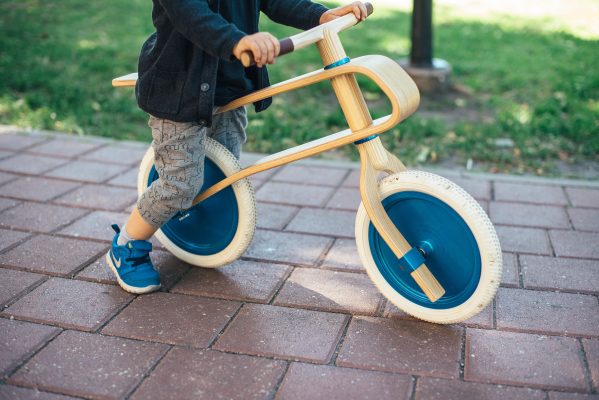
Balance Bikes Vs Training Wheels
Accessible for young kids
Balance bikes are a great option for young kids who are just starting to learn how to ride a bike. These bikes are lower to the ground, making it easier for little ones to get on and off. They also have a lower saddle height, allowing children to touch the ground with their feet while seated. This gives them a sense of control and stability, which is important when learning to balance.
Lightweight and easy to maneuver
One of the key benefits of balance bikes is their lightweight construction. Unlike traditional bicycles, balance bikes are made from lightweight materials such as aluminum or steel, which makes them easier for young children to handle and maneuver. This allows kids to develop their balance and coordination skills without struggling with a heavy bike.
Teaches natural turns
Balance bikes are designed to teach children how to balance and steer without the help of training wheels. By using their body weight and subtly leaning to one side or the other, children can learn to turn naturally and smoothly. This helps them develop their coordination and motor skills, as well as their ability to navigate curves and obstacles.
Adaptable to rough terrain
Another benefit of balance bikes is their adaptability to different terrains. These bikes come with chunky, robust tires that provide stability and traction on rough surfaces. This means that children can practice riding on various types of terrain, such as grass, gravel, and dirt. By exposing them to different surfaces, balance bikes help kids become more comfortable and confident riders in any environment.
Benefits of Training Wheels
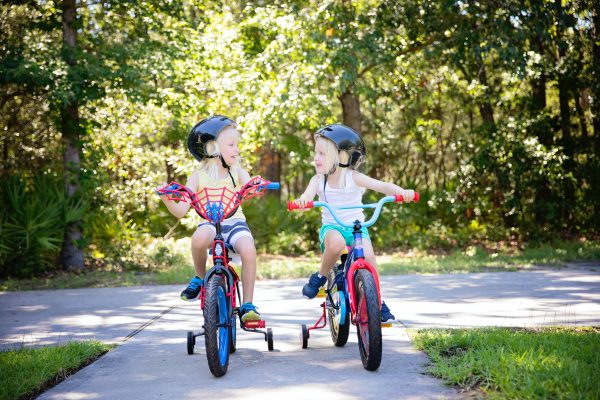
Versatile and can be added to any bike
Training wheels are a popular choice for parents who prefer to teach their children to ride a bike using a traditional bicycle. These wheels can be easily added to almost any bike, transforming it into a beginner-friendly ride. This versatility means that parents can choose a bike that suits their child’s preferences and style while still incorporating the stability of training wheels.
Equipped with brakes for safety
Safety is always a top concern when it comes to kids and bikes. Training wheels often come with additional safety features, such as brakes. These brakes provide an extra level of control for children, allowing them to slow down or stop more easily. This feature can be especially useful in hilly areas where speed needs to be regulated, giving parents peace of mind while their little ones explore their surroundings.
Suitable for hilly areas
If you live in a hilly area, training wheels may be the better option for your child. The added stability and control provided by training wheels can be especially helpful when riding up and down inclines. The wheels offer an extra level of support, allowing children to navigate slopes with confidence and control.
Which Is Better: Balance Bikes Or Training Wheels?
May be better for older or taller children
While balance bikes are great for younger children, training wheels may be a more suitable option for older or taller kids. As children grow, their leg length and height increase. This can make it more difficult for them to comfortably touch the ground while seated on a balance bike. In such cases, training wheels can provide the necessary support while still allowing them to develop their balancing skills.
Considerations for Choosing a Method
Parent and child preference
When it comes to choosing between balance bikes and training wheels, the preference of both the parent and child plays a crucial role. Some children may feel more confident and comfortable with the lower, more intuitive concept of balance bikes, while others might prefer the familiarity and additional support offered by training wheels. It’s important to involve the child in the decision-making process and consider their comfort and preferences.
Age and height of the child
Age and height are important factors to consider when deciding between balance bikes and training wheels. Balance bikes are designed for younger children, usually between the ages of 2 and 5, while training wheels can be used for a wider age range. Additionally, the height of the child is crucial in determining if they can comfortably reach the ground while seated on a balance bike. Taking these factors into account will help ensure the child is using the most appropriate method for their age and size.
Accessibility and comfort
Accessibility and comfort are key considerations when choosing a method for teaching a child to ride a bike. Balance bikes are generally more accessible to young children due to their lower height and lighter weight. They are easier for children to handle and maneuver, providing a more comfortable experience. On the other hand, training wheels can be added to almost any bike, allowing parents to choose a bike that fits their child’s specific needs and preferences.
Terrain and environment
The terrain and environment in which the child will be riding should also be taken into consideration. Balance bikes are adaptable to rough terrain and various surfaces, making them suitable for off-road adventures. On the other hand, training wheels may be a better option for children who will primarily be riding on paved surfaces or in hilly areas. Considering the terrain and environment will help determine which method is most suitable for the child’s riding conditions.
Accessibility and Ease of Use
Balance bikes are closer to the ground
One of the main advantages of balance bikes is their low-to-the-ground design. This feature makes it easier for young kids to get on and off of the bike independently. The lower saddle height allows children to touch the ground with their feet while seated, providing a sense of stability and control. This accessibility makes balance bikes a great choice for toddlers and young children who are just starting to learn how to ride.
Balance bikes are lightweight
Another accessibility factor is the lightweight nature of balance bikes. These bikes are typically made from lightweight materials such as aluminum or steel, making them easier for young children to handle and maneuver. The lightweight construction allows kids to have better control over the bike, making it easier for them to develop their balance and coordination skills.
Training wheels can be added to any bike
While balance bikes have their advantages in terms of accessibility, training wheels offer their own benefits. One of the greatest advantages of training wheels is their versatility. They can be easily added to almost any bike, transforming it into a beginner-friendly ride. This means that parents have a wider range of bike options to choose from while still incorporating the stability and support provided by training wheels.
Maneuverability and Skill Development
Balance bikes promote maneuverability
One of the primary goals of learning to ride a bike is developing maneuverability skills. Balance bikes excel in this area by teaching children how to balance and steer using their body weight. By subtly leaning to one side or the other, children can learn to turn naturally and smoothly. This promotes the development of coordination and motor skills, as well as the ability to navigate curves and obstacles.
Balance bikes teach natural turns
The concept of natural turns is an essential skill for any cyclist. Balance bikes provide an ideal platform for children to learn and practice this skill. By using their body weight to lean into turns, kids can acquire a sense of balance and control while navigating corners. This natural turning technique can then be easily transferred to pedal bikes once a child is ready to transition from a balance bike.
Training wheels provide stability
While balance bikes focus on teaching balance and maneuverability, training wheels offer a different approach. Training wheels provide stability and support, allowing children to build their confidence while riding. The additional wheels offer a sense of security, which can be particularly beneficial for kids who may initially struggle with balance. This stability is especially important during the early stages of riding, helping children gain the necessary skills before eventually riding without training wheels.
Applicability to Different Terrains
Balance bikes are adaptable to rough terrain
One of the advantages of balance bikes is their adaptability to different terrains. These bikes are often equipped with chunky, robust tires that provide stability and traction on rough surfaces. This makes them suitable for off-road adventures on various terrains, such as grass, gravel, and dirt. By exposing children to different surfaces, balance bikes help them become more comfortable and confident riders in any environment.
Training wheels provide stability on various surfaces
While balance bikes excel in off-road capabilities, training wheels offer stability on a variety of surfaces as well. Whether on paved roads, bike paths, or sidewalks, training wheels provide an added level of support and control. This is particularly beneficial for children who will primarily be riding in urban or suburban areas, where these surfaces are more common.
Safety Features and Equipment
Training wheels come with brakes
Safety is of the utmost importance when it comes to kids and bikes. Training wheels often come equipped with additional safety features, such as brakes. These brakes provide an extra level of control for children, allowing them to slow down or stop more easily. This feature can be especially useful in hilly areas where speed needs to be regulated. The presence of brakes gives parents an added sense of reassurance while their little ones explore their surroundings.
Pedal bikes with training wheels have added safety features
In addition to brakes, pedal bikes equipped with training wheels often come with other safety features. These features can include handlebar grips designed for smaller hands, which offer a more secure and comfortable grip. Some models also have padded saddles, providing additional comfort for young riders. These safety features contribute to a more secure and enjoyable riding experience for children using training wheels.
Age and Height Considerations
Balance bikes are suitable for young children
Balance bikes are specifically designed for younger children, typically between the ages of 2 and 5. The low-to-the-ground design and lightweight construction make them accessible for toddlers and young kids who are just starting to learn how to ride. The simplicity and intuitive nature of balance bikes allow children to develop their coordination and balance skills at a young age, setting them up for success when transitioning to pedal bikes in the future.
Training wheels may be better for older or taller children
As children grow older and taller, balance bikes may no longer be the most suitable option. The lower saddle height of balance bikes can become a challenge for taller children who struggle to comfortably touch the ground while seated. In such cases, training wheels may be a better choice. The versatility of training wheels allows them to be added to bikes of various sizes, accommodating older or taller children while still providing stability and support.
Goal: Riding Without Training Wheels
Both methods aim to teach riding without training wheels
Regardless of whether a child starts with a balance bike or training wheels, the ultimate goal is to learn to ride without any additional support. Both methods serve as stepping stones toward this achievement. Balance bikes focus on developing balance, coordination, and maneuverability skills, which are essential for riding independently. Training wheels offer stability and support, providing children with the necessary confidence and experience before transitioning to riding without any assistance.
Transitioning from balance bikes to pedal bikes
Once a child has gained confidence and mastered the skills on a balance bike, they are ready to transition to a pedal bike. The transition from a balance bike to a pedal bike is often seamless, as children have already learned the fundamental foundations of balance and coordination. It is recommended to gradually introduce the pedal bike, allowing the child to practice pedaling and gradually remove the training wheels. With the skills acquired from the balance bike, the transition to a pedal bike becomes a natural progression.
Conclusion
When it comes to choosing between balance bikes and training wheels, there is no right or wrong choice. It ultimately comes down to the preference of the parent and child, considering factors such as age, height, terrain, and personal comfort. Balance bikes offer accessibility, lightweight maneuverability, and teach natural turns. On the other hand, training wheels provide versatility, stability, and may be better suited for older or taller children. Both methods aim to teach riding without training wheels, setting children on a path towards independence. The most important aspect is to choose the method that suits the child and situation best, with the ultimate goal being for the child to eventually ride a bike without training wheels.
