
 한국어

Babies are incredibly resilient and capable of achieving many milestones on their own. One such milestone is independent movement, particularly the act of walking. Typically, babies begin walking between the ages of 10 and 18 months, but there are several activities parents can do to encourage this development. Crawling and standing are great ways to help babies develop the necessary muscles and balance required for walking. Creating a safe and stimulating environment for babies to explore and providing ample playtime are also crucial in fostering independent movement. It is important for parents to ensure their home is safe for their little one to navigate freely, avoiding the use of baby walkers which do not aid in walking development and can be dangerous. Seeking advice from a doctor or child health nurse is recommended if a baby is 18 months or older and not yet walking independently or if there are concerns about their overall development.
Creating a Safe Environment
Baby-proofing the Home
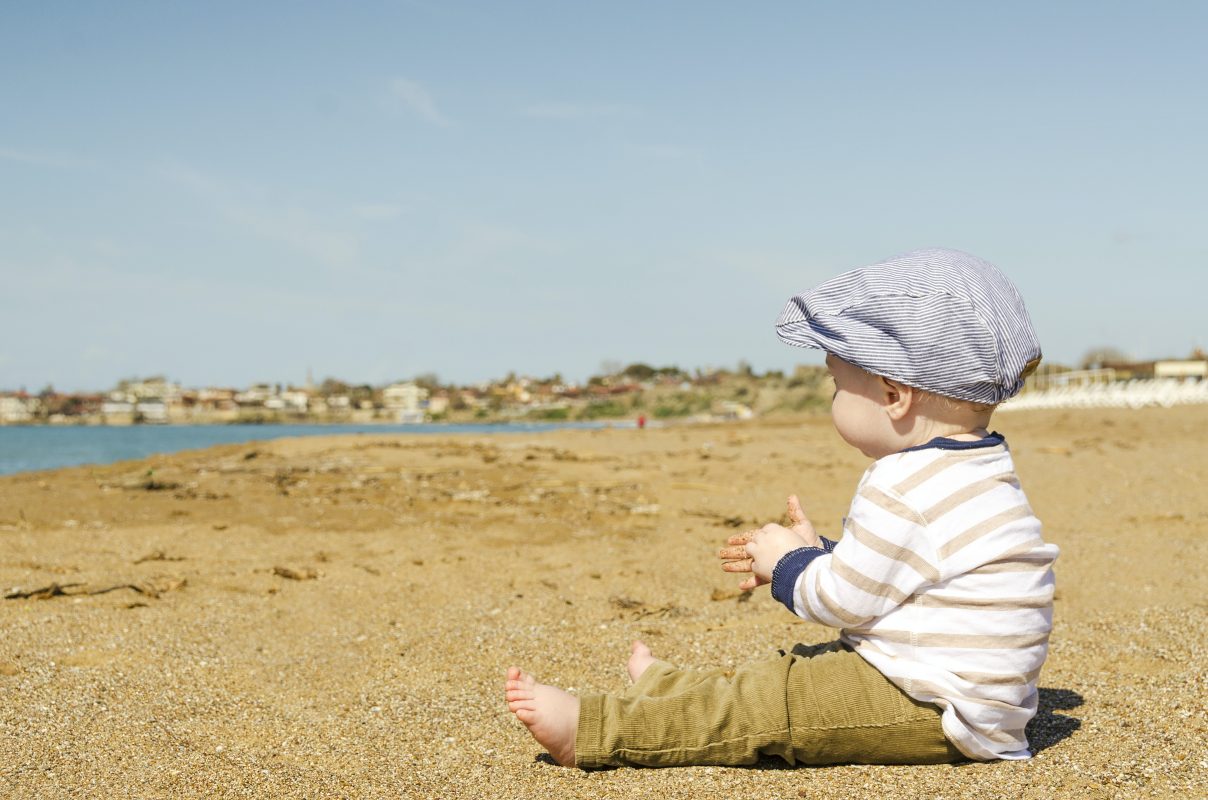
When it comes to encouraging a baby’s development, safety is paramount. Baby-proofing the home is an essential step in creating a safe environment for a growing child. This involves identifying potential hazards and taking necessary precautions to prevent accidents. Installing safety gates at the top and bottom of stairs, securing cabinets with childproof locks, and covering electrical outlets are some examples of baby-proofing measures that can be taken. By removing or minimizing potential dangers, parents can ensure that their baby can freely explore and move around without the risk of harm.
Clearing Obstacles
Another important aspect of creating a safe environment for babies is clearing obstacles from their path. As little ones begin to crawl and explore their surroundings, it is crucial to remove any objects that could pose a tripping hazard or be swallowed. Small toys, cords, and loose rugs should be kept out of reach or securely stored away. By clearing obstacles, parents can provide a clear and safe space for their baby to move about and develop their motor skills.
Secure Furniture
Securing furniture is an essential step in preventing accidents and potential injuries. As babies learn to pull themselves up and balance, it is important to ensure that heavy items such as bookshelves and dressers are securely anchored to the wall. This prevents the risk of furniture tipping over, which can be especially dangerous if a baby is nearby. By taking the necessary precautions to secure furniture, parents can create a safe environment where their baby can freely explore and practice their motor skills.
Providing Safe Toys
Toys play a vital role in a baby’s development, but it is important to ensure that they are safe and age-appropriate. When selecting toys, parents should carefully consider the size, material, and construction to avoid any potential choking hazards. Soft toys should be free of any small parts that can be easily detached and swallowed. Additionally, toys should be made from non-toxic materials to ensure the safety of the baby. By providing safe toys, parents can encourage their baby to explore, play, and develop their motor skills in a secure environment.
Encouraging Independent Movement
Giving Freedom to Explore
Encouraging independent movement is crucial for a baby’s overall development. Allowing babies the freedom to explore their surroundings helps them gain confidence in their abilities and promotes important motor skills. Parents can create a safe and supervised space where their baby can freely crawl, roll, and move about. This allows babies to develop their muscles, coordination, and spatial awareness. By giving babies the freedom to explore, parents can support their independent movement and foster their overall development.
Limiting Use of Baby Equipment
While baby equipment such as swings, bouncers, and walkers can provide temporary entertainment for babies, it is important to limit their use to promote independent movement. These devices restrict a baby’s natural movements and can hinder their muscle development and balance. Instead, parents should prioritize floor playtime that encourages crawling, rolling, and exploring. By limiting the use of baby equipment, parents can create opportunities for their baby to develop vital motor skills and enhance their overall coordination.
Providing Opportunities for Crawling
Crawling is a significant milestone in a baby’s physical development. It helps strengthen the muscles in their arms, legs, and core, and lays the foundation for future motor skills such as walking. To encourage crawling, parents can create engaging spaces that entice their baby to move. This can be achieved by placing toys just out of their reach, creating tunnels, or using soft mats that provide a comfortable surface for crawling. By providing opportunities for crawling, parents can support their baby’s motor development and facilitate their journey towards independent movement.
Encouraging Rolling
Rolling is another essential skill that contributes to a baby’s overall motor development. It helps strengthen their neck, back, and abdominal muscles, while also enhancing their sense of balance and spatial awareness. Parents can encourage rolling by placing their baby on a firm and padded surface, such as a play mat or a soft carpet. Engaging with the baby during tummy time can also promote rolling, as the baby learns to shift their weight and initiate movement. By encouraging rolling, parents can foster their baby’s motor skills and help them progress towards more complex movements.
Promoting Muscle Development
Tummy Time
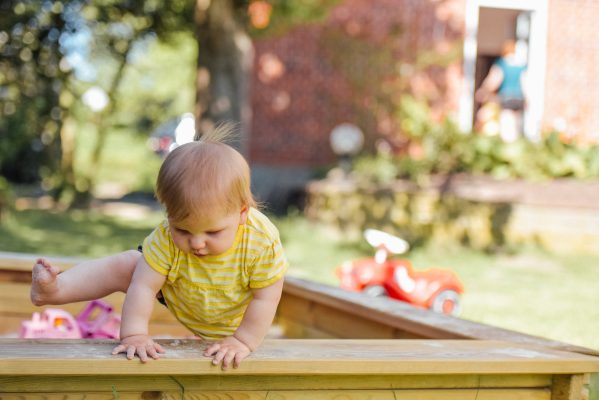
Tummy time is a crucial activity for promoting a baby’s muscle development. By placing the baby on their stomach while they are awake and supervised, parents can help strengthen the muscles in their neck, shoulders, and back. This activity also aids in the development of head control, which is essential for other motor milestones such as sitting and crawling. To make tummy time more enjoyable for the baby, parents can use colorful toys, mirrors, or soft mats. By incorporating tummy time into their daily routine, parents can support their baby’s muscle development and overall physical strength.
Assisted Standing
Assisted standing is an important step towards independent walking. Supporting a baby in an upright position helps strengthen their leg muscles, improves their balance, and develops their overall coordination. Parents can assist their baby in standing by providing support through their hands or by using a sturdy piece of furniture, such as a low table. Singing songs or using toys to encourage the baby to reach for objects while standing can make the activity enjoyable for both the parent and the baby. By promoting assisted standing, parents can help their baby develop the necessary muscles and balance for walking.
Playtime with Others
Engaging in playtime with others is not only enjoyable for babies but also beneficial for their muscle development. Interacting with siblings, caregivers, or other babies helps babies develop their social and physical skills. Playtime with others often involves activities such as rolling a ball, playing peek-a-boo, or participating in gentle physical play, like bouncing or swinging. These interactions promote the use of different muscle groups, enhance coordination, and improve overall strength. By providing opportunities for playtime with others, parents can support their baby’s muscle development in a fun and engaging way.
Teething Toys for Jaw Strength
Teething toys not only provide relief for babies during the teething process but also help develop their jaw strength and coordination. Teething toys are designed to be safe for babies to chew on, providing an outlet for their natural urge to bite and nibble. The act of biting and chewing helps strengthen the muscles in the jaw, face, and neck. By offering teething toys, parents can support their baby’s oral motor development, leading to improved eating and speaking abilities as they grow.
Encouraging Balance and Coordination
Introducing Balance Bikes
Introducing balance bikes at an appropriate age can significantly contribute to a baby’s balance and coordination skills. Balance bikes are small bicycles without pedals, allowing children to practice maintaining their balance while propelling themselves forward using their feet. This activity helps babies develop their core strength, leg muscles, and coordination. Parents should choose balance bikes that are suitable for their baby’s height and make sure to provide proper protective gear, such as helmets and knee pads. By introducing balance bikes, parents can help their baby develop the necessary skills for independent biking in the future.
Using a Push Toy
Using a push toy is an excellent way to encourage balance and coordination in babies who are transitioning from crawling to walking. Push toys are specially designed to provide support and stability while allowing babies to practice their walking skills. By holding onto the handle of the push toy and pushing it forward, babies engage their leg muscles, practice their balance, and improve their coordination. Parents can choose push toys that are appropriate for their baby’s age and height and ensure the toy provides enough resistance for a safe and controlled walking experience.
Practicing Standing and Walking
Practicing standing and walking is a crucial part of a baby’s motor development. As babies progress from assisted standing to independent walking, it is important to provide them with ample opportunities to practice and refine their skills. Parents can create a supportive environment by placing furniture at appropriate intervals, allowing the baby to cruise along while holding onto the edges. Encouraging the baby to take independent steps between two supportive surfaces and cheering them on can also boost their confidence and motivation to continue their walking journey. By supporting and encouraging standing and walking, parents play a crucial role in their baby’s motor development.
Supporting Motor Skills Development
Building Muscles through Play
Playtime is not only fun for babies but also a valuable opportunity to support their motor skills development. Engaging in various play activities such as crawling through tunnels, stacking blocks, or playing catch helps babies strengthen their muscles, refine their coordination, and improve their overall motor skills. Encouraging physical play, both indoors and outdoors, allows babies to explore their environment, practice different movements, and enhance their physical strength and agility. By incorporating playtime into their daily routine, parents can actively support their baby’s motor skills development in an enjoyable and interactive way.
Offering Sensory Experiences
Sensory experiences play a vital role in a baby’s overall development, including their motor skills. Providing babies with opportunities to explore different textures, sounds, and sights not only stimulates their senses but also helps refine their motor skills. Activities such as finger painting, playing with water or sand, or exploring different materials like fabrics and feathers engage babies’ senses and encourage them to manipulate objects using their hands and fingers. By offering sensory experiences, parents can foster their baby’s motor skills and promote their sensory and cognitive development.
Engaging with Interactive Toys
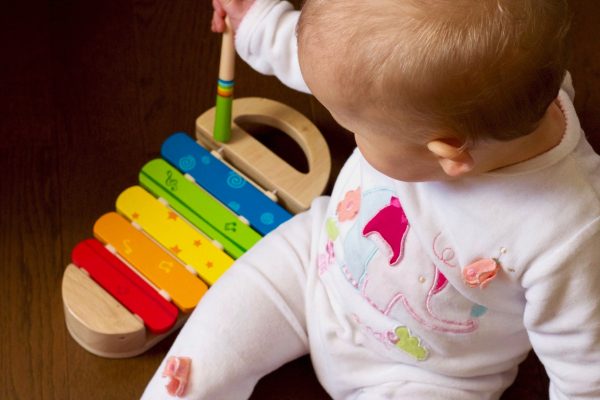
Interactive toys are designed to engage babies and encourage their motor skills development through play. These toys often feature buttons, levers, or moving parts that require babies to use their hands and fingers to activate them. By interacting with these toys, babies strengthen their fine motor skills, hand-eye coordination, and cognitive abilities. Parents can choose age-appropriate interactive toys that are safe and stimulating. During playtime, parents can guide their baby’s hands to press buttons, pull levers, or move parts, gradually allowing the baby to explore and engage independently. By incorporating interactive toys into their playtime, parents can support their baby’s motor skills development and encourage their curiosity and learning.
Encouraging Self-Help Skills
Encouraging Independent Feeding
Encouraging independent feeding is an important step in promoting a baby’s self-help skills and motor development. As babies grow, they can gradually transition from being spoon-fed to holding and self-feeding finger foods. Providing age-appropriate utensils, such as soft-tipped spoons and easy-to-grasp finger foods, allows babies to practice their hand-eye coordination, fine motor skills, and self-feeding abilities. While some mess during mealtime is expected, it is important to create a supportive and positive environment that encourages exploration and learning. By encouraging independent feeding, parents can empower their baby to develop self-help skills and foster their fine motor development.
Promoting Self-Dressing
Promoting self-dressing is another way to support a baby’s growing independence and fine motor skills. As babies progress in their motor development, they can gradually learn to participate in the dressing process. Parents can begin by allowing the baby to hold onto clothing items, such as socks or hats, while assisting with putting them on. As the baby’s coordination improves, they can practice inserting their limbs into sleeves or pant legs independently. By providing opportunities for self-dressing, parents can help their baby develop their fine motor skills, hand-eye coordination, and foster a sense of accomplishment and independence.
Providing Opportunities for Self-Play
Providing opportunities for self-play is essential for a baby’s overall development, including their motor skills. While interaction with caregivers is crucial, it is equally important for babies to learn how to entertain themselves and explore their own abilities. Parents can create a safe and stimulating environment by offering age-appropriate toys and play spaces where babies can freely engage in independent play. This allows them to develop their hand-eye coordination, fine motor skills, and problem-solving abilities. By providing opportunities for self-play, parents can support their baby’s motor skills development while fostering their creativity and independence.
Seeking Professional Advice
Monitoring Development Milestones
Monitoring a baby’s development milestones is an important part of ensuring their growth and well-being. Parents should be aware of the typical age range for major milestones, such as sitting, crawling, standing, and walking. By keeping track of their baby’s progress, parents can identify any delays or potential issues that may require further attention. It is essential to remember that every baby develops at their own pace, so some variation is normal. However, if there are significant delays or concerns, seeking professional advice can provide reassurance and guidance.
Consulting a Doctor or Child Health Nurse
If a baby is 18 months or older and not yet walking or if there are concerns about their overall development, it is recommended to consult a doctor or child health nurse. These professionals have the expertise to assess the baby’s development, identify any potential issues, and provide appropriate guidance and support. They can offer valuable advice and interventions to address any delays or concerns, ensuring that the baby’s motor skills development progresses in a healthy manner. Consulting a healthcare professional can provide parents with peace of mind and help nurture their baby’s overall well-being.
Identifying Potential Issues
While every baby develops at their own pace, it is important for parents to be vigilant and aware of potential issues that may affect their baby’s motor development. Some signs that may indicate a need for further assessment include a lack of progress in achieving major milestones, such as sitting or crawling, persistent asymmetrical movements, or difficulty with fine motor skills. If parents notice any concerning patterns or have specific concerns about their baby’s motor skills, seeking professional advice can help identify any underlying issues. Early intervention is often key in addressing potential motor delays and ensuring optimal development.
Avoiding Harmful Practices
Not Using Baby Walkers
Baby walkers should not be used as they do not aid in the development of walking skills and can be dangerous. Research has shown that the use of baby walkers can delay a baby’s ability to walk independently, as they allow babies to move around without the need to engage their core muscles and balance. Additionally, baby walkers pose a significant safety risk, as they can tip over or allow babies to access hazardous objects or areas of the home. It is important for parents to avoid using baby walkers and instead encourage safe and natural development of walking skills through appropriate support and opportunities for independent movement.
Supervising Baby at All Times
Supervising a baby at all times is crucial for their safety and well-being. Babies are naturally curious and can quickly find themselves in potentially dangerous situations if not closely supervised. It is important for parents to constantly monitor their baby, especially during active play or exploration. This includes being attentive to the baby’s movements, ensuring they are not in the presence of hazards, and intervening when necessary to prevent accidents or injuries. By maintaining constant supervision, parents can create a safe environment and protect their baby from harm.
Removing Hazards from the Environment
Removing hazards from the environment is a vital step in ensuring a safe space for a baby to explore and develop their motor skills. Parents should conduct regular checks of their home to identify any potential dangers such as sharp objects, choking hazards, or toxic substances. Securing heavy furniture, covering electrical outlets, and keeping toxic substances out of reach are just a few examples of safety measures parents can take. By removing hazards from the environment, parents can minimize the risk of accidents and create a safe space for their baby’s motor skills development.
Understanding Developmental Timelines
Typical Age for Walking
Babies typically start walking between 10 and 18 months old. However, it is important to note that this age range is just a general guideline, and individual babies may reach this milestone at different times. Some babies may take their first independent steps as early as 9 months, while others may not begin walking until they are closer to 18 or even 20 months. It is crucial for parents to remember that every baby develops at their own pace, and significant variations within this age range are considered normal. By understanding the typical age for walking, parents can have realistic expectations for their baby’s motor development.
Variations in Development
It is essential for parents to understand that there can be considerable variations in a baby’s motor development. While there are general age ranges for major milestones such as rolling, crawling, standing, and walking, not all babies will progress at the same rate or in the same sequence. Factors such as genetics, individual temperament, and opportunities for exploration and practice can significantly influence a baby’s motor development. Some babies may excel in one milestone while taking longer to achieve another. It is crucial for parents to encourage and support their baby’s unique developmental journey, avoiding unnecessary comparison to other babies.
Importance of Individual Differences
Recognizing and celebrating individual differences is key when understanding a baby’s motor development. Each baby has their unique set of strengths, interests, and pace of development. While it is important to monitor milestones and seek professional advice if there are significant delays or concerns, it is equally crucial to honor and respect each baby’s individual journey. Providing a supportive and nurturing environment that encourages exploration, play, and independent movement will help babies develop their motor skills at their own pace. By valuing and appreciating individual differences, parents can empower their baby to thrive and grow in their own unique way.
In conclusion, creating a safe environment, encouraging independent movement, and supporting muscle development are essential aspects of fostering a baby’s motor skills. By baby-proofing the home, clearing obstacles, securing furniture, and providing safe toys, parents can ensure a safe environment for their baby to explore and develop. Encouraging independent movement through freedom to explore, limiting the use of baby equipment, and providing opportunities for crawling and rolling allows babies to develop essential motor skills. Promoting muscle development through tummy time, assisted standing, playtime with others, and teething toys helps strengthen their muscles and coordination. Introducing balance bikes, using push toys, and practicing standing and walking contribute to balance and coordination development. Supporting motor skills development through play, sensory experiences, and interactive toys fosters overall motor development. Encouraging self-help skills such as independent feeding, self-dressing, and self-play empowers babies to take an active role in their development. Monitoring development milestones, consulting healthcare professionals, and avoiding harmful practices ensure a well-rounded approach to a baby’s motor skills development. Finally, understanding developmental timelines, respecting variations in development, and valuing individual differences promote a supportive environment that enables babies to thrive and grow at their own pace. By following these guidelines and providing a nurturing environment, parents can actively support their baby’s motor skills development and lay a strong foundation for their future physical abilities.
