
 한국어

Physical Literacy: Building Strong Foundations for Active Children is an article that highlights the importance of developing physical literacy in children. It emphasizes the need for children to be competent in movement and sports skills, promoting not only physical activity but also academic success, social skills, happiness, confidence, and a healthy lifestyle. By dedicating just 30 minutes a day to activities such as walking, hopping, running, crawling, and jumping, children can build strong foundations for a lifetime of physical literacy. Each activity should be focused on having fun and building individual skills, ensuring that children not only enjoy being active but also develop the necessary motor skills to excel in various physical activities.
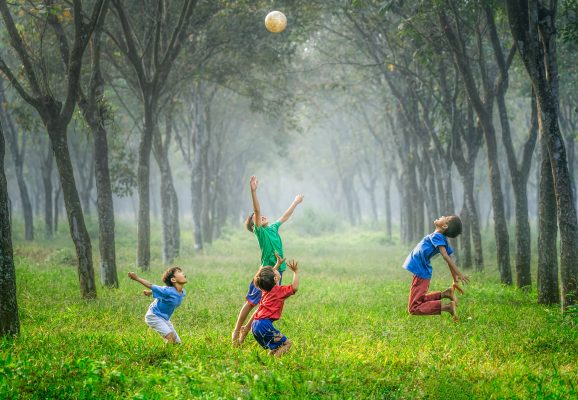
What is Physical Literacy?
Definition
Physical literacy refers to the development of strong foundations in children that enable them to engage in a wide range of physical activities and sports as they grow. It is not simply about being physically fit or active, but rather about being competent in movement and sports skills.
Importance
Physical literacy plays a crucial role in a child’s overall development. It promotes academic success, social skills, happiness, confidence, and a healthy lifestyle. By developing physical literacy, children are better equipped to participate in physical activities, engage with others, and navigate their surroundings with confidence and proficiency.
Benefits
The benefits of physical literacy are vast and varied. It is not only about physical well-being but also about enhancing overall quality of life. Some of the key benefits of physical literacy include improved academic performance, better social skills, increased happiness levels, boosted self-confidence, and the adoption of a healthy lifestyle.
How to Develop Physical Literacy?
Time Commitment
Developing physical literacy doesn’t require hours upon hours of dedicated training. In fact, children can build physical literacy in just 30 minutes a day. It is more about consistency and regular engagement in physical activities rather than the duration of each session.
Activities
To develop physical literacy, a wide range of activities can be incorporated into a child’s routine. Some activities include walking, hopping, running, crawling, jumping, and more. These activities help children develop their motor skills, coordination, balance, and agility.
Importance of Fun
One of the key aspects of developing physical literacy is ensuring that the activities are fun and engaging for children. When children enjoy what they are doing, they are more likely to be motivated and eager to participate. By making physical activities enjoyable, children are more likely to continue engaging in them, leading to long-term physical literacy development.
Individual Skills
Each child has unique strengths and weaknesses when it comes to physical literacy. It is important to identify these individual skills and tailor the activities accordingly. By focusing on the areas where a child may need improvement, they can overcome any challenges and build a strong foundation for their physical literacy journey.
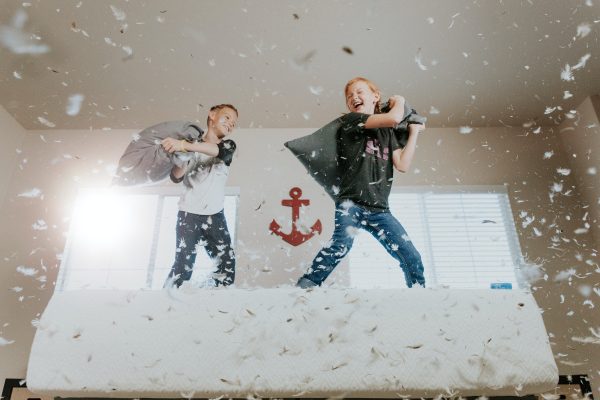
Benefits of Physical Literacy
Academic Success
Physical literacy has been shown to correlate with improved academic performance. By engaging in physical activities, children develop cognitive functions such as focus, attention, and problem-solving skills. These cognitive benefits translate into better academic performance, as children are able to concentrate and retain information more effectively.
Social Skills
Engaging in physical activities also provides opportunities for children to develop important social skills. By participating in team sports or group activities, children learn to communicate, cooperate, and work towards a common goal. These social interactions contribute to the development of strong interpersonal skills and the ability to navigate social situations confidently.
Happiness
Physical literacy is closely linked to happiness. Engaging in physical activities releases endorphins, which are natural mood enhancers. Regular physical activity helps reduce stress, anxiety, and feelings of depression, leading to overall increased happiness levels.
Confidence
Through physical literacy, children develop a sense of accomplishment and self-confidence. As they improve their physical abilities and overcome challenges, they learn to trust in their own capabilities and gain a positive self-image. This confidence extends beyond physical activity and influences other areas of their lives.
Healthy Lifestyle
Physical literacy promotes the adoption of a healthy lifestyle from an early age. When children are physically literate, they are more likely to engage in regular exercise and make healthy choices regarding nutrition. This sets the stage for a lifetime of good habits and reduces the risk of chronic diseases later in life.
The Role of Physical Literacy in Learning
Foundation of Learning
Physical literacy serves as the foundation for all other forms of learning. By developing fundamental movement skills and coordination, children are better prepared to engage in cognitive and academic tasks. Physical literacy fosters the development of spatial awareness, hand-eye coordination, and the ability to concentrate, which are integral to many learning activities.
Integration with Other Skills
Physical literacy also integrates with other skills, such as language development and problem-solving. For example, when children engage in physical activities, they learn to follow verbal instructions, communicate with others, and solve problems in dynamic environments. These skills can then be transferred and applied to other areas of learning, promoting holistic development.

Activities to Enhance Physical Literacy
Walking
Walking is a simple yet effective activity to boost physical literacy. It helps improve cardiovascular health, strengthens leg muscles, and enhances balance and coordination. Encouraging children to take regular walks, whether around the neighborhood or in natural settings, helps them build stamina and develop positive exercise habits.
Hopping
Hopping is a fun activity that improves bilateral coordination and leg strength. Children can practice hopping on one foot, both feet, or in various directions. Hopping games or challenges can be incorporated to make it more enjoyable and engaging.
Running
Running is a versatile activity that can be enjoyed in various settings, such as on a track, in a park, or during organized games. It helps in building cardiovascular endurance, developing lower body strength, and increasing overall fitness. Children can be encouraged to race, play tag, or participate in organized running events to make running more exciting.
Crawling
Crawling is a fundamental movement skill that improves upper body strength, coordination, and core stability. It can be done in various ways, such as army crawling, crab walking, or bear crawling. Incorporating crawling into games or obstacle courses adds an element of fun and challenges children to use their imaginations.
Jumping
Jumping is an excellent activity that enhances lower body strength, coordination, and power. Children can practice different types of jumps, such as two-footed jumps, one-footed jumps, or hurdle jumps. Jumping games or skipping rope activities can also be included to add variety and promote continuous engagement.
Developing Physical Literacy in 30 Minutes a Day
Understanding the Time Frame
Developing physical literacy in just 30 minutes a day is achievable when the activities are designed to be fun, dynamic, and inclusive. By maximizing the time and focusing on engaging activities, children can experience significant progress in their physical literacy journey.
Creating a Daily Routine
Creating a daily routine that includes dedicated time for physical activities is essential. By incorporating physical literacy activities into a child’s routine, parents and caregivers can ensure consistent engagement. This can be as simple as designating a specific time each day for a walk, run, or active play session. Planning ahead and involving children in the decision-making process can make the routine more enjoyable and sustainable.
Making Activities Fun and Engaging
The Importance of Fun
Fun is a crucial component of developing physical literacy. When activities are enjoyable, children are more likely to participate willingly and remain engaged for longer periods. Incorporating elements of play, competition, and creativity into physical activities can make them more appealing to children, and they may not even realize they are improving their physical literacy in the process.
Incorporating Games
Games offer an excellent opportunity to enhance physical literacy while keeping children entertained. Traditional games like tag, capture the flag, or hide-and-seek can be modified to incorporate physical literacy elements. Additionally, including interactive games on popular gaming consoles or mobile devices can be a fun way to encourage physical activity.
Interactive Play Ideas
Interactive play ideas can further promote physical literacy. Activities such as Simon says, obstacle courses, or dance parties encourage children to move, follow instructions, and explore different movements. Using props like balls, hoops, or ribbons can add an extra element of excitement and engagement.
Building Individual Skills
Identifying Strengths and Weaknesses
Building individual skills is an important aspect of developing physical literacy. Each child has unique strengths and weaknesses, and recognizing these areas can guide activity selection and progression. Observing a child’s performance, seeking feedback, and encouraging self-reflection can help identify areas in need of improvement and areas where a child excels.
Tailoring Activities
Once strengths and weaknesses are identified, activities can be tailored to address specific areas. For example, if a child struggles with balance, activities such as yoga or balancing exercises can be incorporated. Similarly, if a child exhibits strong hand-eye coordination, throwing and catching games can be introduced to further enhance these skills.
Progression and Challenge
To continuously develop physical literacy, progression and challenges are necessary. By gradually increasing the difficulty levels of activities or introducing new movements, children are encouraged to push their boundaries and expand their physical abilities. This gradual progression helps build resilience, perseverance, and adaptability, all of which are crucial for physical literacy development.
Physical Literacy for Kids: Shape Activities
Understanding Shapes
Shape activities provide an opportunity for children to explore and understand different shapes, their properties, and their relevance to the physical world. Through hands-on experiences, children develop spatial awareness, visual recognition, and an understanding of shapes in their surroundings.
Incorporating Shapes into Activities
Incorporating shapes into activities helps children apply their knowledge and engage in physical literacy development. Activities like shape hopping, where children have to jump onto specific shapes drawn on the ground, or shape treasure hunts, where they search for objects of different shapes, encourage movement and cognitive development simultaneously.
Benefits of Shape Activities
Shape activities not only promote physical literacy but also enhance cognitive development. By engaging in shape-related activities, children improve their problem-solving skills, critical thinking abilities, and spatial orientation. These activities also foster creativity, imagination, and an appreciation for the physical environment.
Developing Fine Motor Skills through Play
Understanding Fine Motor Skills
Fine motor skills are essential for activities that require precise and controlled movements, such as writing, buttoning clothes, or tying shoelaces. These skills involve the coordination of small muscles in the hands and fingers and play a significant role in a child’s overall development.
Play Ideas for Fine Motor Skills
Play can be a valuable tool in developing fine motor skills. Activities such as playing with building blocks, threading beads, or drawing with crayons enhance hand-eye coordination, finger dexterity, and grip strength. Engaging in puzzles, using tweezers, or playing with playdough also provide opportunities for fine motor skill development.
Benefits of Fine Motor Skill Development
Developing fine motor skills has numerous benefits beyond the realm of physical literacy. Fine motor skills are closely associated with cognitive development, as they require concentration, problem-solving, and spatial awareness. Additionally, well-developed fine motor skills contribute to enhanced self-confidence, independence, and a sense of accomplishment in daily tasks.
In conclusion, physical literacy is a vital aspect of a child’s development that encompasses being competent in movement and sports skills. It promotes academic success, social skills, happiness, confidence, and a healthy lifestyle. By engaging in a variety of activities, ensuring they are enjoyable, and tailoring them to individual needs, children can enhance their physical literacy in just 30 minutes a day. The integration of physical literacy with other skills and the incorporation of shape activities and fine motor skill development further maximize the benefits of physical literacy in a child’s overall well-being and learning journey.
