
 한국어

Toilet training can be a significant milestone for both children and parents. It is important to recognize the signs that your child is ready for this new stage in their development. Typically, children display signs of readiness between the ages of 18 months and 3 years. These signs may include an awareness of needing to go, staying dry for extended periods, and showing interest in using the toilet. Patient and relaxed guidance is key during the training process, along with teaching good hygiene practices. Whether using a potty or a toilet, it is ultimately up to the parent and child. When faced with challenges, it’s important to seek support from child health professionals. Overall, toilet training can be a positive and empowering experience when approached with patience and understanding.
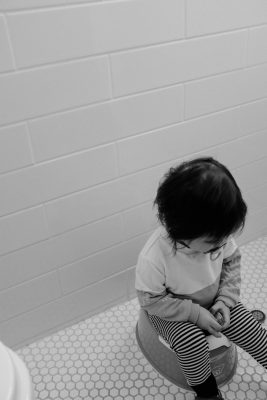
How To Know If Your Child Is Ready For Toilet Training
Signs of Readiness for Toilet Training
Toilet training is an important milestone in a child’s development, and it is recommended to wait until they show signs that they are ready. Generally, children start showing signs of readiness between 18 months and 3 years of age. It’s important to be patient and observe the following signs before starting the toilet training process.
Age range of readiness
While there is no specific age to start toilet training, most toddlers are ready between the ages of 2 and 3. However, every child is different, and some may show signs of readiness earlier or later than others. It’s crucial to pay attention to the individual child’s development and not rush them into toilet training before they are ready.
Awareness of needing to go
One of the key signs that a child is ready for toilet training is their awareness of needing to go to the bathroom. They may start to exhibit signs such as pausing during play or activities, showing discomfort, or vocalizing their need to use the toilet. This awareness is an important cognitive and physical milestone that indicates they are ready to start learning to use the toilet.
Staying dry for extended periods
Another sign of readiness for toilet training is the ability to stay dry for extended periods. If your child consistently has dry diapers for at least two hours at a time, it shows that their bladder muscles are developing and can hold urine for longer periods. This indicates they may be physically ready to start using the toilet.
Showing interest in using the toilet
When a child starts showing curiosity or interest in using the toilet, it is a clear sign that they are ready for toilet training. They may imitate the actions they see others doing in the bathroom, such as flushing or sitting on the toilet. This curiosity is a great opportunity to introduce them to the concept of toilet training and begin the process.
Starting the Toilet Training Process
Once you have identified that your child is showing signs of readiness for toilet training, it is time to start the process. Here are some strategies to help you get started:
Regularly putting the child on the toilet or potty
To familiarize your child with using the toilet, start by regularly putting them on the toilet or potty at specific times throughout the day. This helps them become comfortable with the idea and routine of using the toilet. Initially, they may not produce any results, but the goal is to help them associate the toilet with the process of eliminating waste.
Teaching good hygiene
In addition to using the toilet, it is equally important to teach your child good hygiene practices. Demonstrate how to properly wipe, flush, and wash hands after using the toilet. These habits will instill good hygiene practices that will become second nature to your child as they continue to grow.
Choice between potty or toilet
When starting toilet training, you can choose between using a potty or a toilet seat with a child-size insert. The decision should be based on what your child feels most comfortable with. Some children prefer the familiarity and accessibility of a potty, while others may feel more confident using a toilet seat. Let your child participate in the decision-making process to encourage their ownership of the process.
Toileting words and easy-to-remove clothes
Introduce your child to toileting words such as “pee,” “poop,” or any other words you choose to use. This helps them associate the actions with words and helps develop their communication skills. It is also important to dress your child in easy-to-remove clothes during toilet training. Elastic waistbands or pants with snaps can make it easier for your child to undress quickly when it’s time to use the toilet.
Toilet Training Signs To Look Out For
Toilet Training for Boys
Toilet training for boys may require some additional guidance and techniques. Here are some specific strategies for toilet training boys:
Teaching boys to shake their penis after urinating
One important aspect of toilet training for boys is teaching them to shake their penis after urinating. This helps prevent any residual urine from remaining in the urethra, reducing the likelihood of leaks or accidents. Encourage your child to gently shake their penis from the base to the tip after they finish urinating.
Encouraging proper aim
Teaching your son to aim properly while urinating can help minimize messes and maintain good hygiene. Once your child is familiar with using the toilet, show them how to aim their urine stream into the toilet bowl. Using targets such as pieces of cereal or colored toilet paper can make the process more fun and engaging for them.
Avoiding sitting on the toilet for bowel movements
Some boys may find it more difficult to have bowel movements while sitting on the toilet. If your child is having trouble having a bowel movement, you can encourage them to try a different position, such as squatting on a child-sized potty or using a small footstool to elevate their feet while sitting on the toilet. These positions can help facilitate bowel movements for boys.
Toilet Training for Girls
Toilet training for girls also involves some specific techniques and considerations. Here are some strategies for toilet training girls:
Teaching girls to wipe from front to back
It is crucial to teach girls the importance of wiping from front to back to prevent the spread of bacteria from the anal area to the urethra. This helps reduce the risk of urinary tract infections. Demonstrate and guide your daughter in the proper wiping technique to ensure good hygiene habits.
Explaining differences in anatomy
When toilet training girls, it can be helpful to explain the differences in male and female anatomy. Use age-appropriate language to educate your daughter about the function and purpose of her genitals, emphasizing cleanliness and care. This understanding can promote a sense of body awareness and a positive attitude towards toilet training.
Avoiding sitting on the toilet for bowel movements
Similar to boys, some girls may also find it challenging to have bowel movements while sitting on the toilet. If your child is struggling with this, encourage them to try different positions, such as squatting on a child-sized potty or using a small footstool to elevate their feet while sitting on the toilet. These positions can facilitate bowel movements for girls as well.
Toilet Training at Childcare Centers
If your child attends a childcare center, it is important to communicate and coordinate with the staff to ensure consistency in the toilet training process. Here are some considerations for toilet training at childcare centers:
Importance of communication with childcare centers
Open communication with the childcare center staff about your child’s toilet training progress is crucial. Share information about the techniques you are using at home and any specific preferences or requirements your child may have. This collaboration ensures that the staff can support your child’s toilet training journey effectively.
Ensuring consistency between home and childcare
Consistency is key when it comes to toilet training, especially when your child is transitioning between home and childcare. Work together with the childcare center to establish a consistent toilet training routine, using similar strategies as those used at home. This consistency provides a sense of familiarity and reinforces the learning process for your child.
Seeking cooperation and support from childcare providers
It is essential to foster cooperation and support from your childcare providers during toilet training. Ensure that they are willing to work with you and follow your guidance regarding your child’s specific needs. Regular communication and feedback between parents and childcare providers help monitor progress and address any challenges effectively.
Common Challenges and Solutions
Toilet training may not always progress smoothly, and parents may encounter certain challenges along the way. Here are some common challenges and possible solutions:
Patience and lack of pressure
One of the key aspects of successful toilet training is maintaining a patient and relaxed attitude. Avoid pressuring your child or becoming frustrated if they experience setbacks or accidents. Instead, reassure them that accidents are normal and emphasize the importance of trying again next time.
Addressing constipation issues
Constipation can sometimes disrupt the toilet training process. If your child is experiencing difficulty with bowel movements, ensure that their diet includes plenty of fiber-rich foods and ample hydration. Consult with a healthcare professional for guidance on managing constipation and ways to alleviate any discomfort your child may be experiencing.
Seeking support from child health nurse or healthcare professional
If you are facing significant challenges or have concerns about your child’s toilet training progress, do not hesitate to seek support from a child health nurse or healthcare professional. They can provide guidance, reassurance, and specialized advice tailored to your child’s specific needs.
Nighttime Toilet Training
It is important to note that nighttime toilet training may take longer than daytime training. Here are some key points to consider:
Taking longer to stay dry at night
It is common for children to take longer to achieve dryness at night compared to daytime dryness. It requires the development of hormonal and neurological factors that regulate nighttime bladder control. Be patient and continue to encourage good habits while also utilizing appropriate protective measures.
Most children become dry by age 5
It is important to remember that bedwetting is a common occurrence among children, even after they have been toilet trained during the day. Most children become consistently dry at night by the age of 5. If your child continues to struggle with bedwetting beyond this age, consult with a healthcare professional to rule out any underlying medical conditions or discuss further interventions if necessary.
Using waterproof bed covers
To protect the mattress and ease cleanup in case of accidents, it is beneficial to use waterproof bed covers or mattress protectors. These can minimize any disruptions caused by bedwetting accidents and make the overall process more manageable for both you and your child.
Importance of Patience and Praise
Throughout the toilet training journey, it is vital to maintain a patient and positive attitude. Here’s why patience and praise are important:
Being patient and relaxed during toilet training
Toilet training can be a long process with ups and downs. Being patient and relaxed helps create a supportive environment for your child. Avoid pressuring or rushing them, and instead, provide guidance and encouragement during their learning journey.
Praising the child’s progress and efforts
Positive reinforcement through praise plays a significant role in motivating and boosting your child’s confidence. Celebrate their successes, no matter how small, by acknowledging their efforts and progress. This encouragement makes the process more enjoyable for your child and reinforces their positive behaviors.
Avoiding punishment for accidents
Accidents are a natural part of the toilet training process, and it is important to avoid punishing your child for these incidents. Punishment can discourage them, create anxiety around using the toilet, and even prolong the process. Instead, use accidents as teachable moments and gently guide your child towards better understanding and improvement.
Avoiding Comparison and Pressure
Each child develops at their own pace, and it is crucial to avoid comparison and undue pressure during toilet training. Here’s why:
Understanding that every child is different
It is important to remember that every child is unique and will progress in their own time. Comparing your child’s toilet training progress to that of others can create unnecessary stress and unrealistic expectations. Focus on your child’s individual growth and celebrate their achievements accordingly.
Avoiding comparing the child’s progress to others
Comparing your child’s progress to siblings, friends, or even other children at the same daycare or preschool can be counterproductive. Each child’s readiness and pace of toilet training differ, and external comparisons can undermine their confidence and hinder progress. Stay focused on your child’s journey and celebrate their milestones accordingly.
Avoiding pressuring the child to succeed
Putting pressure on your child to achieve specific toilet training goals within a certain timeframe can lead to anxiety and resistance. It is essential to allow your child to progress at their own pace and provide gentle guidance and support. Avoid imposing rigid expectations and respect their individual learning process.
Seeking Professional Help
If you encounter challenges or difficulties in toilet training that you feel unequipped to handle, seeking professional help is a viable option. Here’s what you should consider:
When to seek support from professionals
If you are concerned about your child’s lack of progress, ongoing difficulties, or any underlying medical issues affecting their ability to toilet train, it may be time to seek support from a child health nurse or healthcare professional. They can provide guidance, conduct assessments, and offer specialized strategies to address your child’s specific needs.
Consulting with a child health nurse or healthcare professional
A child health nurse or healthcare professional experienced in child development can assess your child’s toilet training readiness, provide advice, and address any concerns you may have. They can offer tailored strategies and support to navigate the challenges you may be facing.
Addressing concerns or difficulties in toilet training
If you have concerns about your child’s toilet training progress or encounter significant difficulties, discussing your challenges with a professional can provide valuable insight and possible solutions. They can help identify potential barriers or underlying issues and provide guidance to overcome them effectively.
Toilet training is a significant milestone in a child’s life, and it is important to approach it with patience, understanding, and support. By following the signs of readiness, implementing appropriate strategies, and seeking professional guidance when needed, parents can help their child successfully navigate the toilet training process. Remember, every child is unique, and progress may vary, so celebrate your child’s efforts and growth every step of the way.
