
 한국어

Heuristic play is a critical component of children’s learning and development, providing them with the chance to engage and motivate themselves through the use of everyday objects and natural materials. By encouraging parents to utilize items readily available at home or from affordable sources, such as charity shops or pound shops, children are given the opportunity to explore and satisfy their innate curiosity. From pots and pans to objects that roll, a fruit and vegetable basket to investigating the insides of fruits and vegetables, the possibilities for heuristic play are endless. By engaging in such activities, children not only develop language skills but also enhance their sensory perception and early science and math abilities. This article delves into the importance of heuristic play in supporting children’s learning and development, highlighting various play ideas that promote the development of fine motor skills and physical literacy.
The Benefits of Heuristic Play
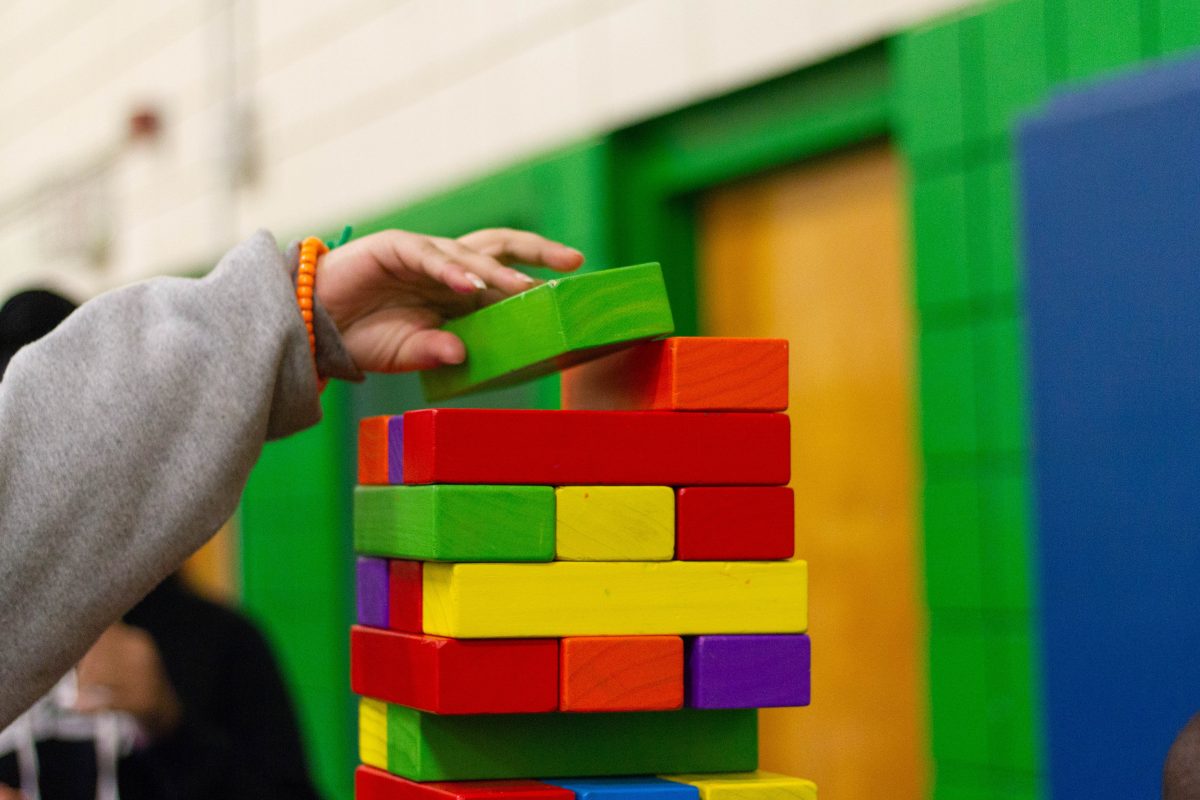
Heuristic play is a valuable tool for enhancing learning and development in children. By engaging with everyday objects and natural materials, children are able to explore and create, promoting creativity and imagination. Additionally, heuristic play stimulates problem-solving skills, allowing children to think critically and develop their cognitive abilities. Understanding the concept of heuristic play and creating a suitable environment for it are essential for maximizing its benefits.
Understanding Heuristic Play
Heuristic play involves using everyday objects and natural materials to engage and motivate children. This approach recognizes the importance of providing children with resources that spark their curiosity and encourage them to explore. The use of everyday objects allows children to engage in open-ended play, uninhibited by the constraints of traditional toys.

Creating a Heuristic Play Environment
Creating an environment for heuristic play can be easily achieved using items found around the house. Items such as pots and pans, spoons, and objects that roll can all be incorporated into play sessions. For those who prefer to purchase specific materials, inexpensive items can be found at charity shops or pound shops. However, it is important to consider safety when selecting materials for heuristic play, ensuring that they are free from any potential hazards.
Examples of Heuristic Play Materials
There are endless possibilities when it comes to selecting materials for heuristic play. Pots and pans can be used to create different sounds and explore textures. Spoons can be used for stacking and sorting, promoting early math skills. Objects that roll, such as balls or toy cars, encourage children to observe movement and cause and effect relationships. A fruit and vegetable basket provides an opportunity to explore different shapes and textures, while also introducing concepts of healthy eating. Exploring the insides of fruits and vegetables provides a sensory experience and promotes fine motor skills. Washing up can be a fun activity that incorporates water play and hand-eye coordination. A bath time basket filled with different sensory toys and objects can transform bath time into a heuristic play session. Lastly, a scented basket with a variety of scents can engage children’s sense of smell and promote sensory exploration.
Developmental Benefits of Heuristic Play
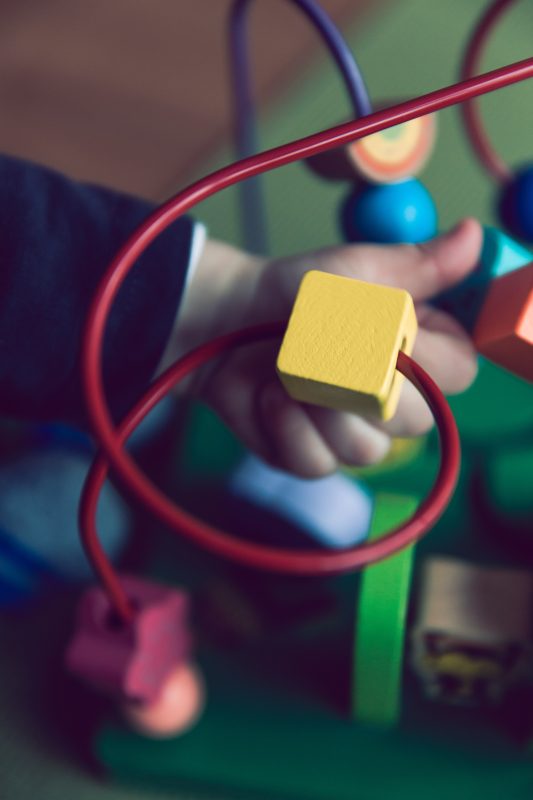
Heuristic play offers numerous benefits for children’s development across various domains. Through engagement with different materials and objects, children have the opportunity to develop their language skills as they describe, name, and discuss their observations. The sensory exploration involved in heuristic play helps children develop their senses and become more in tune with their environment. It also lays the groundwork for early science and math skills, as children learn to observe and classify objects based on their properties. Finally, heuristic play promotes fine motor skills as children manipulate and interact with different objects.
Enhancing Cognitive Abilities
Heuristic play plays a vital role in enhancing children’s cognitive abilities. By engaging with open-ended materials, children are encouraged to think critically and problem-solve. They learn to experiment, make predictions, and test hypotheses, fostering their critical thinking skills. Additionally, heuristic play promotes hand-eye coordination as children manipulate objects and develop their spatial awareness.

Promoting Social Interaction
Heuristic play also offers opportunities for social interaction. Through sharing and turn-taking, children learn important social skills and develop their ability to collaborate and cooperate with others. Participating in heuristic play with peers encourages communication and provides a platform for children to express their thoughts and ideas.
Supporting Emotional Development
Heuristic play has a positive impact on children’s emotional development. By engaging in open-ended play, children have the opportunity for self-expression, allowing them to express their thoughts, feelings, and ideas freely. The unstructured nature of heuristic play also supports self-regulation, as children learn to manage their own behavior and emotions. Additionally, engaging with materials and objects can foster empathy and understanding, as children learn to appreciate different perspectives and experiences.

Incorporating Heuristic Play into Educational Settings
Heuristic play can be successfully incorporated into educational settings, benefiting children of all ages. In early childhood classrooms, heuristic play can be integrated into daily routines and activities, providing children with opportunities to explore and engage with different materials. In primary schools, heuristic play can be used as a tool to supplement more formal learning, allowing children to apply their knowledge in a hands-on and practical manner. Special education programs can also benefit from heuristic play, as it provides alternative and inclusive learning experiences for children with diverse needs.
Conclusion
Heuristic play is a powerful tool for enhancing children’s learning and development. By utilizing everyday objects and natural materials, children can engage in open-ended play that promotes creativity, imagination, and problem-solving skills. Parents and educators are encouraged to embrace heuristic play and incorporate it into daily routines and educational settings. By doing so, they can support children’s cognitive, social, and emotional development, ultimately providing them with a strong foundation for future learning and success.
